The final technical information for Saturday’s Middle Distance stage is now online.
Check all the details and get ready for the race in the page POM Day 1 – Forest Information.

The final technical information for Saturday’s Middle Distance stage is now online.
Check all the details and get ready for the race in the page POM Day 1 – Forest Information.
The final Sprint technical information is now available!
Check all the details and get ready for the race in the page Elite Sprint Information.
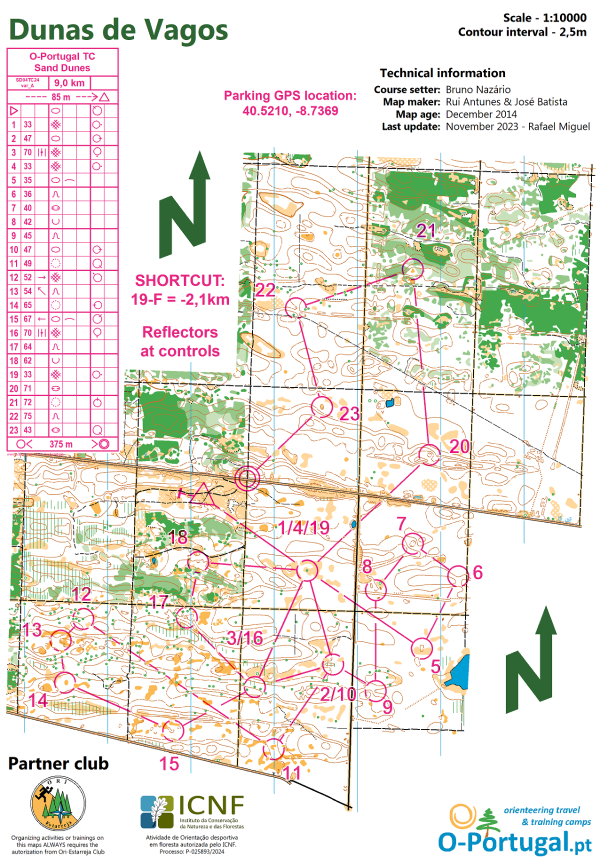
The northernmost part of the Mira Norte map (to be used at POM 2026) includes an area of approximately 3.7 km² that is no longer under embargo, making it possible to train in this area using updated mapping.
O-Portugal has prepared training courses in this area (Sand Dunes) for the 2026 season. The maps can be purchased via the website and are available on request. See HERE.
The training map references are SD26TC26, at a scale of 1:10,000, and SD26C26, at a scale of 1:7,500, the latter being more focused on veteran classes.
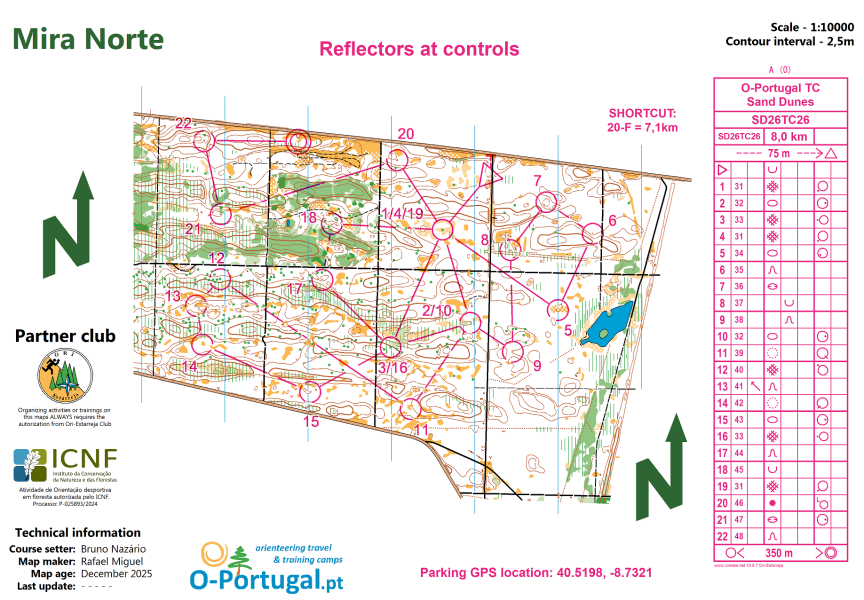
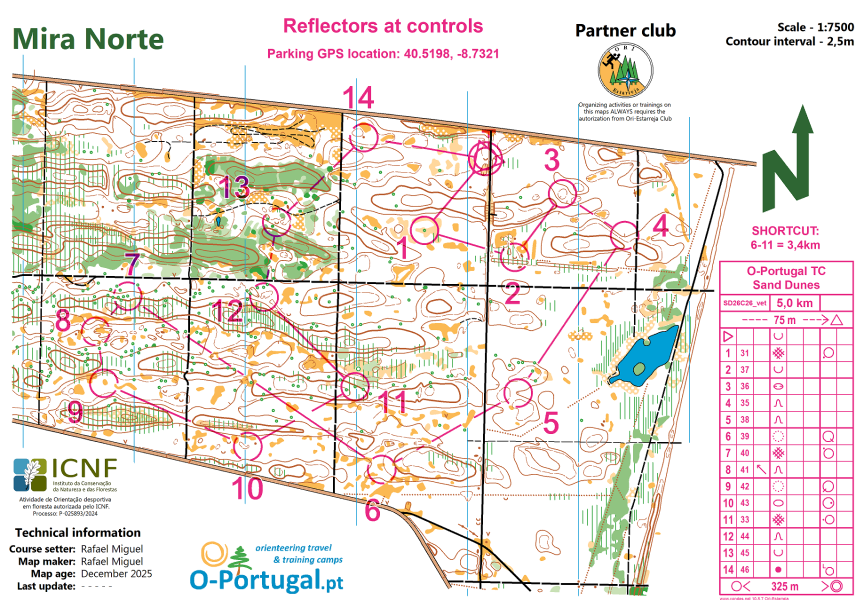
For comparison between the previous and the updated mapping, a training course from the 2024 season is shown as an example.

The POM 2026 Organising Committee is delighted with the high number of entries for the PreO Sprint, which has exceeded our expectations.
Due to the large number of registered competitors, and in order to ensure that all athletes compete under fair and comparable conditions, the number of entries for the PreO Sprint will be limited to 160 competitors.
If you have not yet entered and are genuinely motivated to take part in this competition, now is the time to do so, as places are running out.
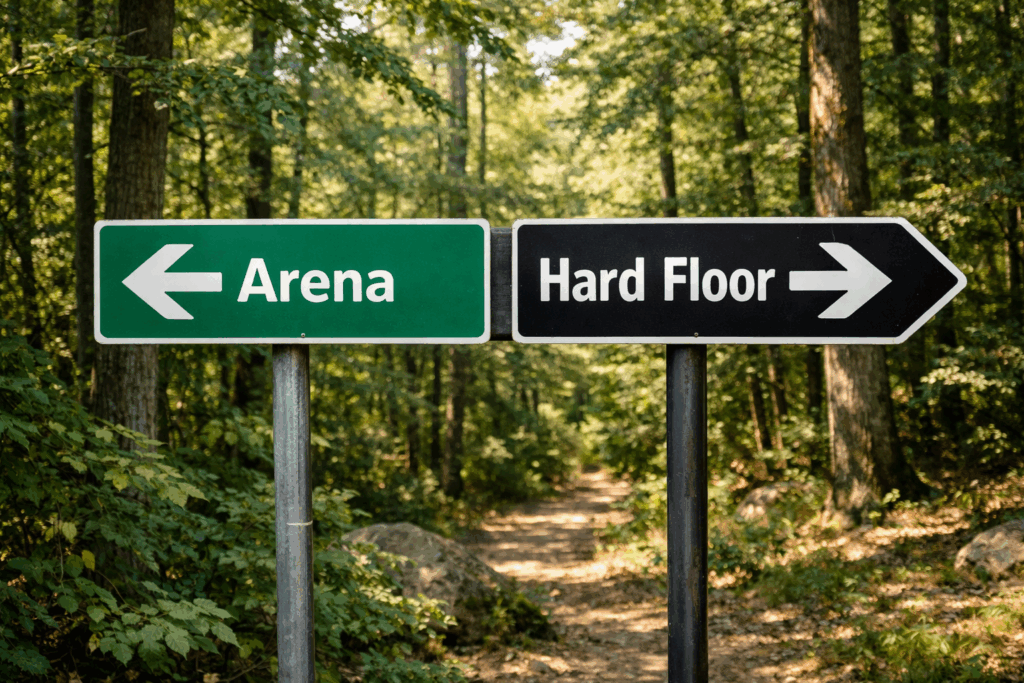
During POM 2026, a bus service will be available on forest race days, operating on the route Solo Duro (Mira) – Arena Mira Norte – Solo Duro (Mira).
More details in page BUS Timetable.
This transport service is provided by the Municipality of Mira, using a 27-seat vehicle. Seats will be allocated on a first-come, first-served basis. No seat reservations will be accepted.
Those athletes who are using private or rental vehicles from travelling from Solo Duro to the Arena and back can still do it as primary solution.